Ceramic Coating Cost: What You Should Actually Pay in 2026

Ceramic Coating Cost: What You Should Actually Pay in 2026
Walk into three detailing shops and ask what ceramic coating costs, and you might hear $800, $1,800, and $3,200 for what sounds like the same service. Shop online instead and you will find $40 kits promising the same glossy, water-beading finish. The spread is real, and most of it comes down to three things: who applies it, how much paint correction your car needs first, and which tier of coating goes on.
This guide breaks down typical ceramic coating prices in 2026, from DIY kits to premium professional packages, so you can tell a fair quote from a bad one. Prices below are typical US ranges gathered from 2026 pricing guides, not quotes, and your local market will vary.
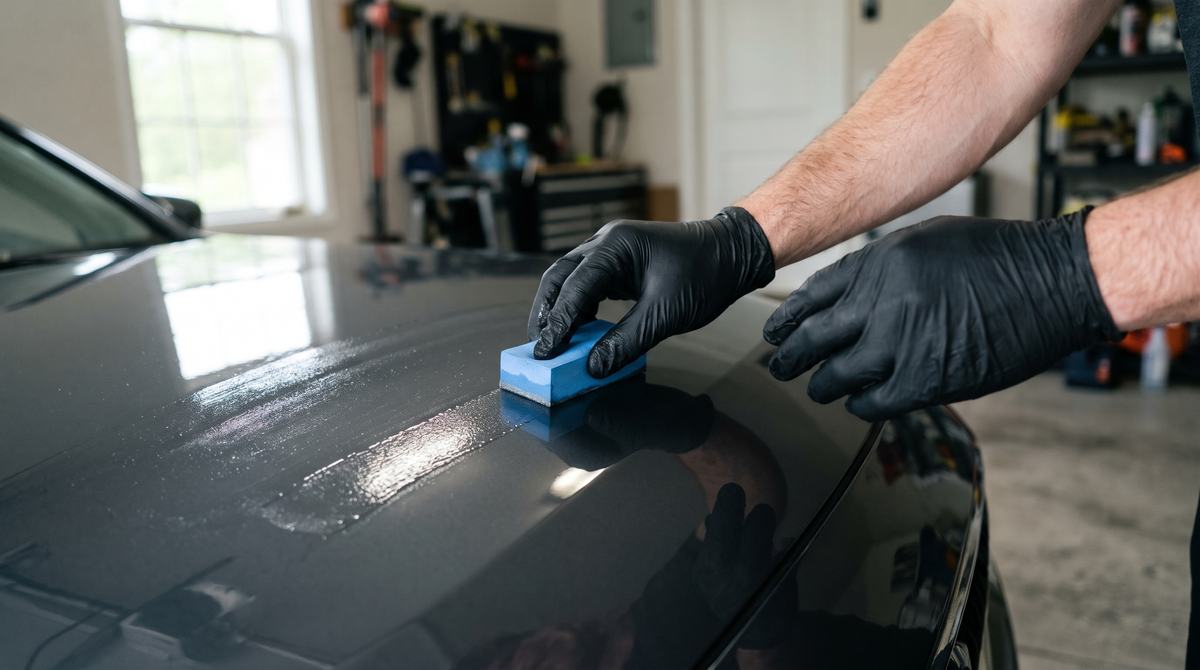
Ceramic Coating Cost in 2026: The Quick Answer
If you want the short version, here it is:
| Option | Typical cost | How long it lasts |
|---|---|---|
| DIY ceramic spray | $20 to $60 | 1 to 3 months |
| DIY nano ceramic kit | $60 to $250 | 6 to 18 months |
| Professional, entry level | $600 to $900 | 1 to 2 years |
| Professional, mid tier | $900 to $1,800 | 2 to 4 years |
| Professional, premium | $2,000 to $3,500+ | 3 to 7+ years |
A full DIY project usually runs $125 to $760 once you add prep products and tools. Most professional jobs on a typical sedan land between $700 and $1,850.
How Much Does DIY Ceramic Coating Cost?
Consumer kits run $50 to $300. Spray-style ceramics sit at the bottom ($20 to $60) and behave more like durable sealants, while true nano kits ($60 to $250) bond to the paint and last 6 to 18 months with decent maintenance.
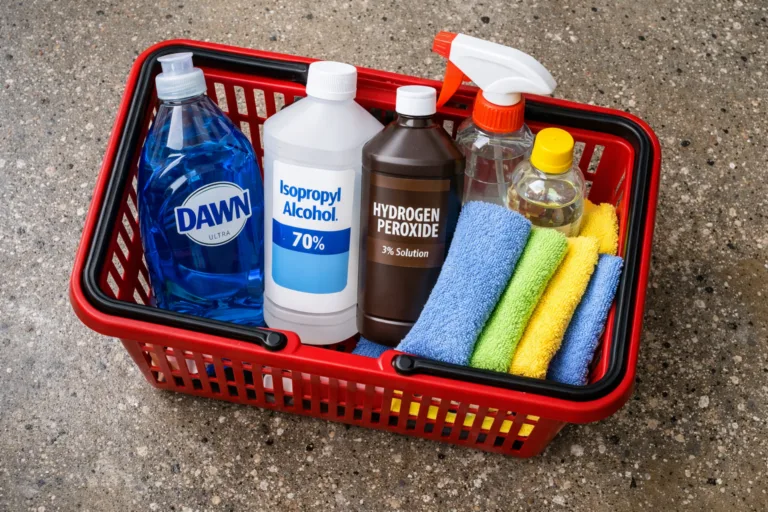
The kit price is not the project price. To do it right you also need panel prep chemicals, quality microfiber towels, and ideally a dual-action polisher with pads and compounds, which can add $200 to $400 if you are starting from zero. Budget 10 to 15 hours of your weekend, because most of that time goes to preparation, not the coating itself.
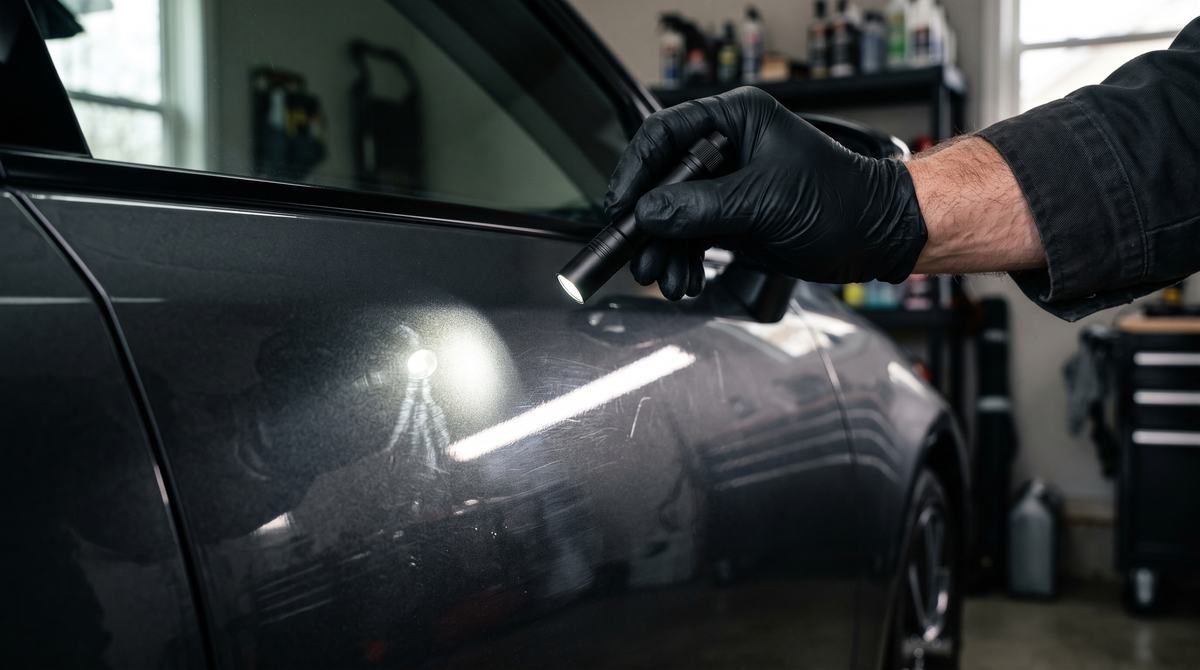
One thing to know before you buy: a coating locks in whatever is underneath it. Swirl marks and water spots do not disappear under ceramic; they get sealed in, and the extra gloss can make them more visible. That is why even DIY jobs live or die on prep.
DIY makes the most sense if you enjoy the work, your paint is already in good shape, and you are comfortable reapplying every year or so.
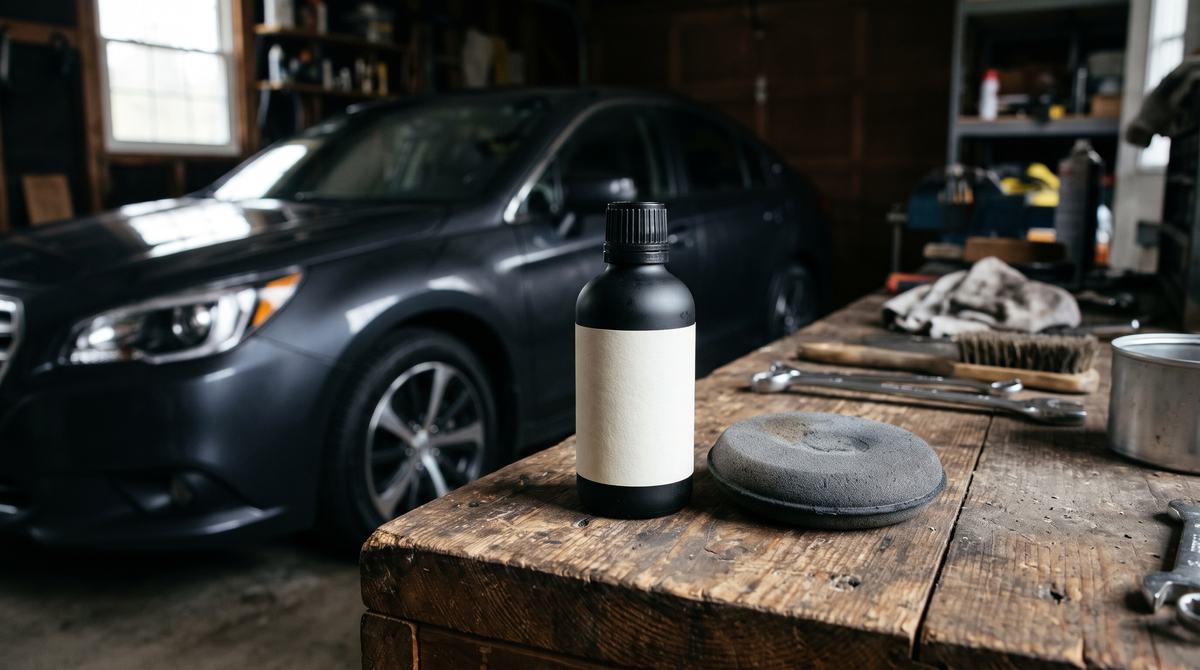
How Much Does Professional Ceramic Coating Cost?
Professional application typically runs $500 to $3,500+, with most daily drivers falling between $700 and $1,850. Vehicle size and coating tier move the number more than anything else:
| Vehicle | Entry (1-2 yr) | Mid tier (3-5 yr) | Premium (5+ yr) |
|---|---|---|---|
| Compact sedan | $600-$900 | $1,000-$1,400 | $1,500-$2,000+ |
| Mid-size SUV | $800-$1,100 | $1,300-$1,700 | $1,800-$2,500+ |
| Full-size truck / large SUV | $1,000-$1,300 | $1,500-$2,000 | $2,200-$3,500+ |
| Exotic / performance | Custom quote | Custom quote | $2,500-$4,000+ |
Those starting prices usually cover painted body panels only. Common add-ons: windshield coating around $75, all glass around $200, wheel faces around $200 and up to $400 with inner barrels. A mid-tier SUV package with add-ons can easily pass $2,500.
What Drives the Price
- Vehicle size. More paint means more product and more labor. Trucks and three-row SUVs cost more than sedans for the same tier.
- Paint correction. This is the biggest variable. Light polishing runs $300 to $600; multi-stage correction on neglected paint can reach $1,200 to $2,000+. A coating can only look as good as the paint underneath it, so shops that skip this step are cutting the most important corner.
- Coating tier and longevity. Higher SiO2 content, more layers, and longer warranties cost more. A 2-year coating and a 7-year coating are different products at different prices.
- Add-ons. Glass, wheels, trim, and interior coatings are usually priced separately.
- Local labor rates. Big-city shops with high overhead charge more than small-town installers for the same work.
What a Professional Job Usually Includes
A legitimate pro package should include most or all of the following. If a quote is vague about prep, ask what exactly is covered before you compare prices.
- Thorough wash and chemical decontamination
- Paint inspection under proper lighting
- Machine polishing (paint correction) matched to your paint’s condition
- Panel wipe to strip oils before application
- Coating application in a controlled environment
- Curing time before pickup, usually 12 to 24 hours
- Final inspection and walkaround
- Warranty paperwork and maintenance guidance in writing
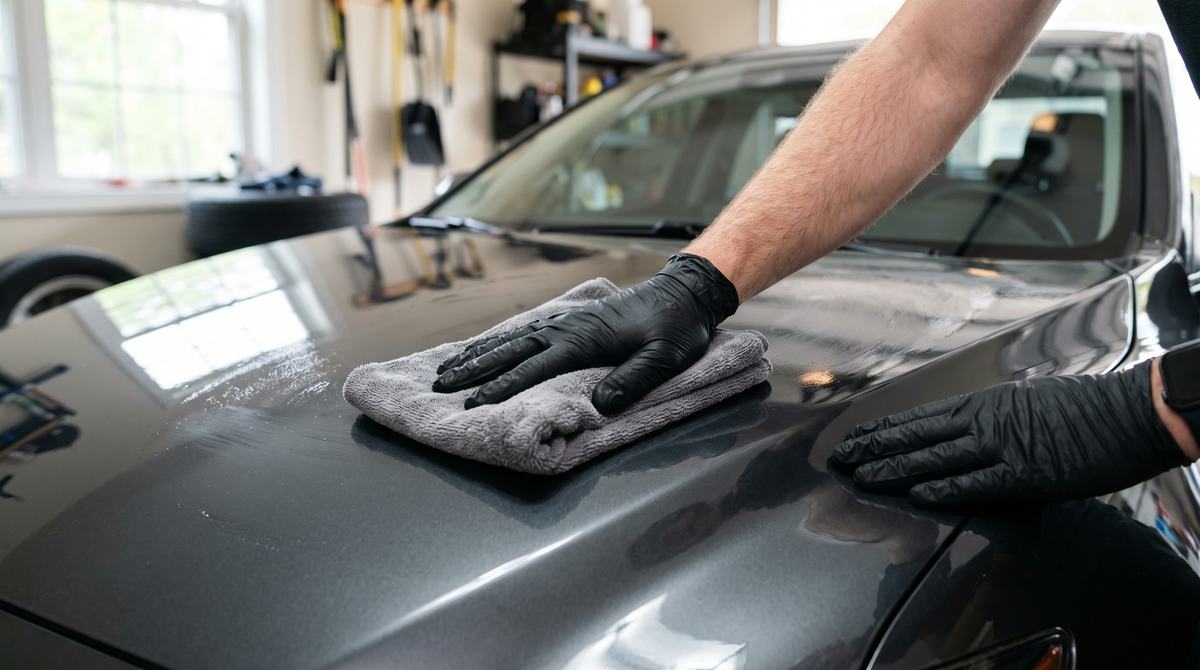
Red Flags and Upsells to Watch For
- A quote far below market rate with no mention of paint correction. The prep is where the labor lives; skipping it is how shops undercut honest pricing.
- “Lifetime” promises attached to cheap coatings. Durability claims should match the product tier and come with written warranty terms.
- Pressure to book on the spot. A good shop will put the quote, coating brand, and warranty in writing and let you think it over.
- Maintenance plan requirements. Some warranties require annual inspections or maintenance visits. That is not automatically a scam, but know the terms and the cost before you agree.
- Mid-job upsells. Wheel and glass coatings are legitimate add-ons at fair prices, but decide on them with the original quote, not after your car is already apart.
Ceramic Coating vs. PPF: The Cost Question
This is the question behind a lot of coating quotes. Ceramic coating ($600 to $3,500+) guards against UV, chemical stains, and light swirls, and it makes washing easier. It does not stop rock chips. Paint protection film starts around $3,000 for meaningful coverage and physically absorbs impacts. A coating-plus-PPF combo on high-impact areas typically runs $2,500 to $8,000+. If chip protection is the goal, coating alone will disappoint you. See our PPF vs. ceramic coating comparison for the full breakdown.
Ceramic Coating Cost FAQ
How long does ceramic coating last?
Consumer DIY coatings: 6 to 18 months. Professional coatings: 2 to 7+ years, depending on tier and maintenance.
Does ceramic coating prevent scratches?
Not really. It resists fine swirls and chemical etching, but rock chips and key scratches go straight through it. PPF is the answer for impact protection.
Can you wax over ceramic coating?
You can, but there is little point. Stick with pH-neutral, coating-safe products instead of layering wax on top.
Does a coated car still need washing?
Yes. Dirt still lands on it. The coating just makes washing easier and keeps contaminants from bonding as aggressively.
Is ceramic coating worth it on an older car?
Sometimes. If the paint needs heavy correction, get an inspection first. On some older cars the correction bill outweighs the benefit.
Why do quotes vary so much?
Almost always paint correction, coating tier, and vehicle size. Compare itemized quotes, not headline prices.
The Bottom Line
For most daily drivers, the sweet spot in 2026 is a mid-tier professional job: roughly $1,000 to $1,400 on a sedan or $1,300 to $1,700 on a mid-size SUV, including proper paint correction. DIY makes sense if you enjoy the process and accept reapplying yearly. Whatever route you take, the price is only fair if you know exactly what is included, so get the coating tier, the correction level, and the warranty terms in writing before you hand over the keys.